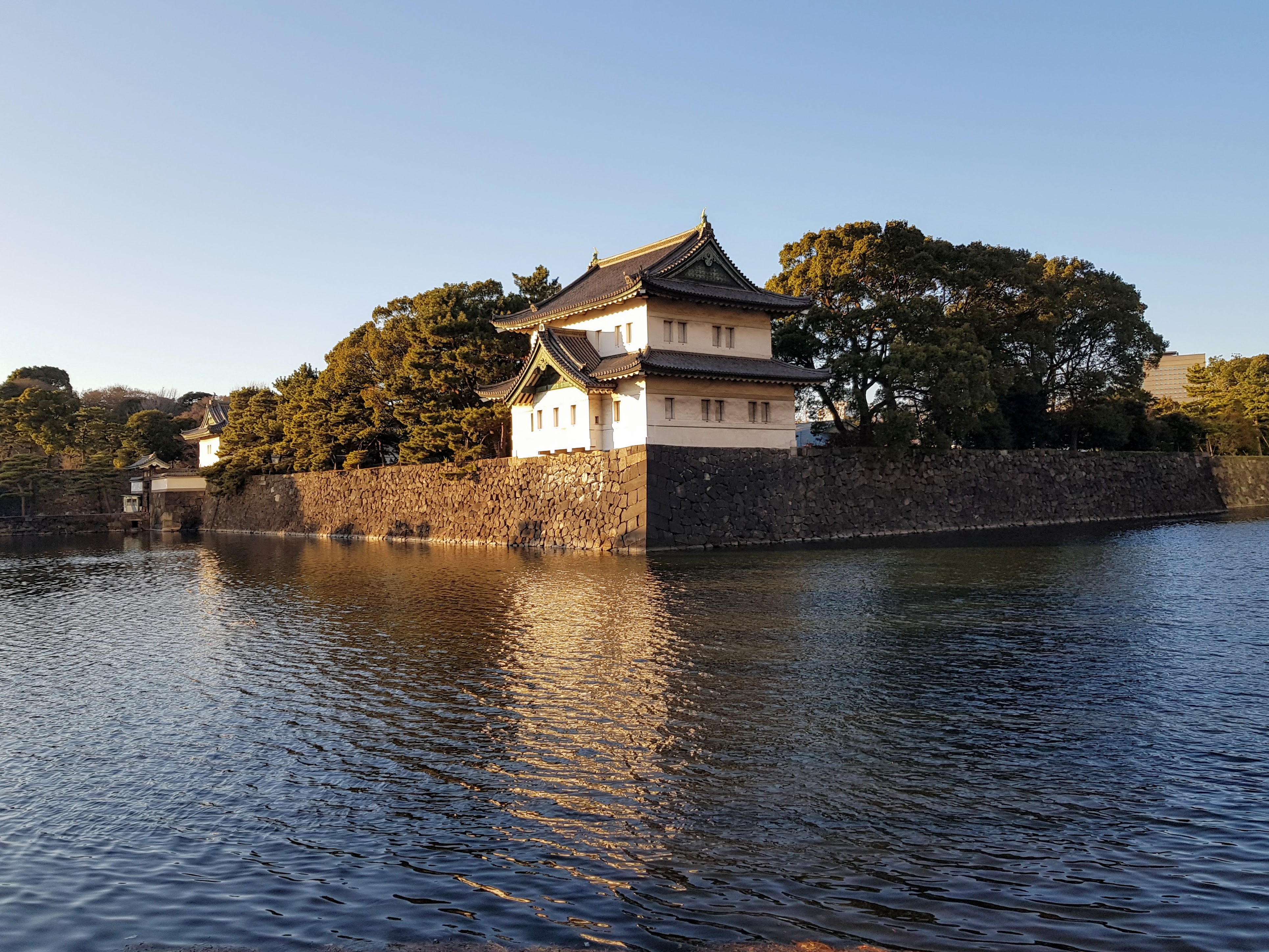
Imperial Palace Tokyo
Location: Tokyo, Japan (Chiyoda ward)
Significance:
Primary residence of the Emperor of Japan
Stands on the site of Edo Castle, once the seat of the Tokugawa Shogunate (military government) during the Edo period (1603-1868)
Symbolic landmark of Japanese history and the Imperial family
History:
Founded: 1437 (Edo Castle)
Rebuilt and expanded: 1590-1710 (by Tokugawa shoguns)
Became the Imperial Palace: 1868 (Meiji Restoration)
Destroyed by fire: 1873 (much of the palace)
Rebuilt: 1888 (current palace buildings)
Damaged by air raids: WWII
Rebuilt again: 1960s (current ferro-concrete buildings in Japanese modernist style)
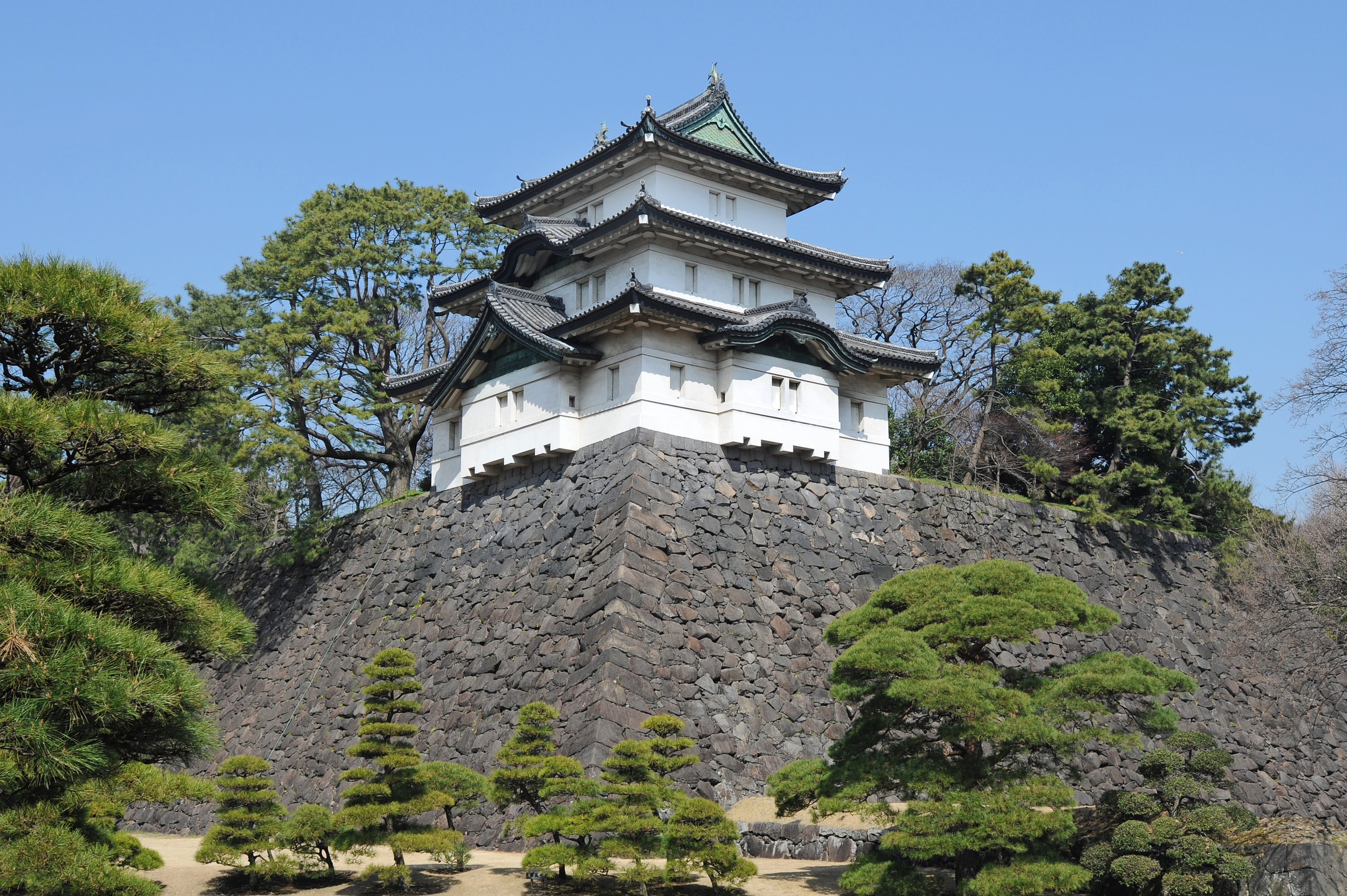
Imperial Palace
Imperial Palace Tokyo: In-Depth Historical Site Data
Edo Castle Era (1437 - 1868)
Founding: Built in 1437 by Ota Dokan, a powerful warlord.
Tokugawa Shogunate: In 1590, Tokugawa Ieyasu, founder of the Tokugawa Shogunate, began a massive expansion and renovation project that transformed Edo Castle into a sprawling complex. Over the next 120 years, his successors continued the project, creating the largest castle in the world at the time.
Key Structures: The castle boasted a central keep (donjon), numerous gates (including the iconic Hishi-no-mon Gate), vast inner and outer baileys (courtyards), and elaborate residential and administrative buildings.
Materials: Primarily constructed from wood, with stone foundations and some fortifications.
Fires and Rebuilding: The castle suffered from several major fires throughout its history, with significant destruction in 1657. The Tokugawa shoguns undertook extensive rebuilding efforts each time.
Imperial Palace Era (1868 - Present)
Meiji Restoration: In 1868, with the overthrow of the Tokugawa Shogunate, Emperor Meiji moved his court to Edo Castle, renaming it the Imperial Palace.
Great Fire of 1873: A disastrous fire swept through the palace complex, destroying most of the Edo-era structures.
New Palace Construction (1888): A new palace complex was built in a more Western-influenced style, incorporating some fire-resistant materials. This is the core of the present-day Imperial Palace.
20th Century Destruction and Reconstruction: Air raids during World War II heavily damaged the palace buildings. The current ferro-concrete structures were completed in the 1960s, blending traditional Japanese aesthetics with modern earthquake resistance.