Edo-Tokyo Museum: Deep Dive
Location: Sumida Ward, Tokyo, Japan
Significance:
• First museum dedicated to the history of Tokyo.
• Showcases the city's transformation from a small fishing village to the modern metropolis it is
today.
• Offers a unique window into daily life, culture, and major events that shaped Tokyo.
History:
• Founded: 1993
• Closed for Renovation: 2023 (Expected reopening by end of 2025)
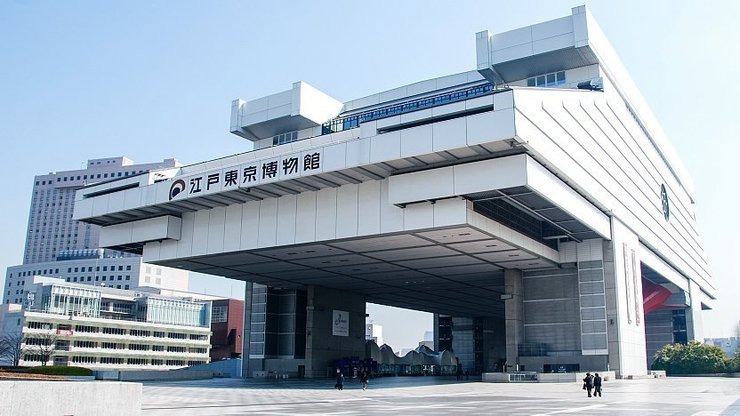
Edo-Tokyo Museum
Exhibits (Highlights):
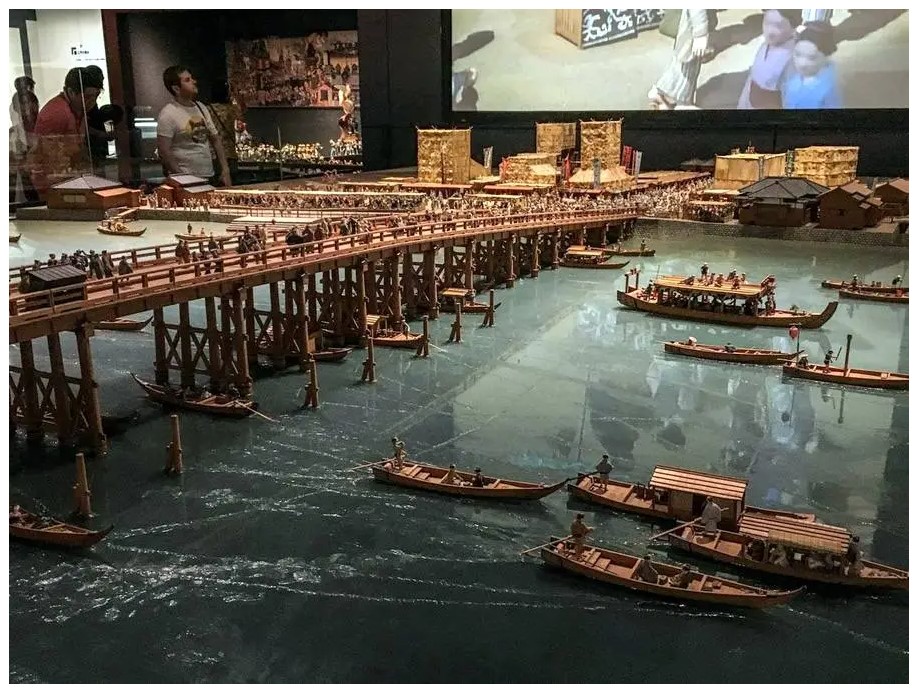
Life-sized Nihonbashi Bridge Replica: This iconic bridge marked the entrance to Edo (old Tokyo) during
the Edo period. Visitors can experience the scale and architectural details of this historic landmark.
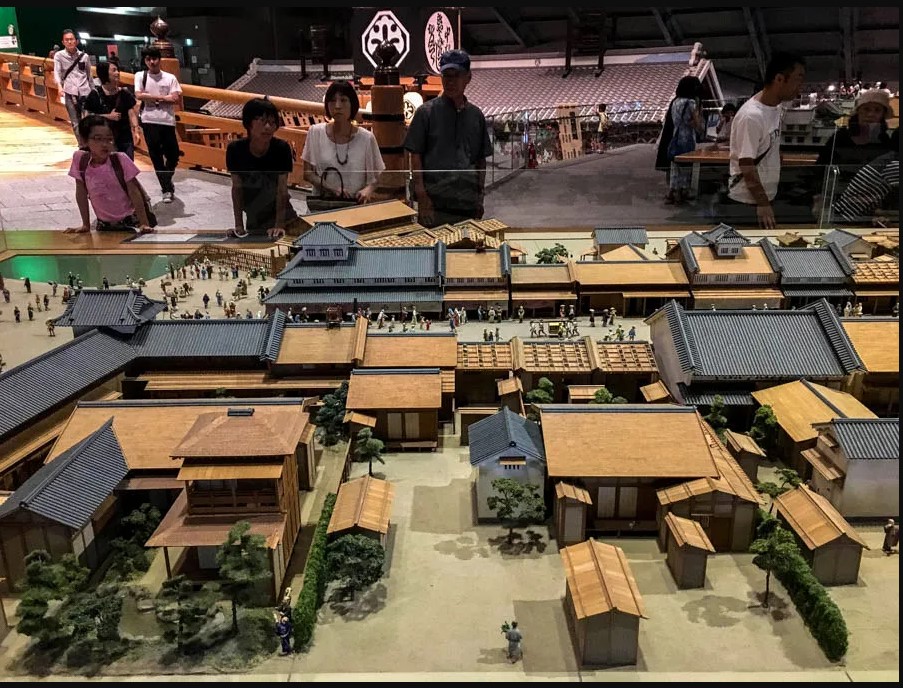
Scale Model Cityscapes: Detailed models depict Edo, Tokyo, and their evolution across various eras:
1590 (late 16th century - Edo period beginning)
1868 (Meiji Restoration marking the shift to a modern state)
1923 (Great Kanto Earthquake devastation)
1964 (Post-WWII reconstruction and modernization) These models allow visitors to visually grasp the
dramatic changes and urban growth over centuries.
Nakamuraza Theatre Replica: A meticulously recreated kabuki theatre from the Edo period. Kabuki is a
traditional Japanese theatrical form known for its elaborate costumes, dramatic performances, and
stylized movements. This replica offers a glimpse into the world of Edo entertainment.
Additional Exhibits:
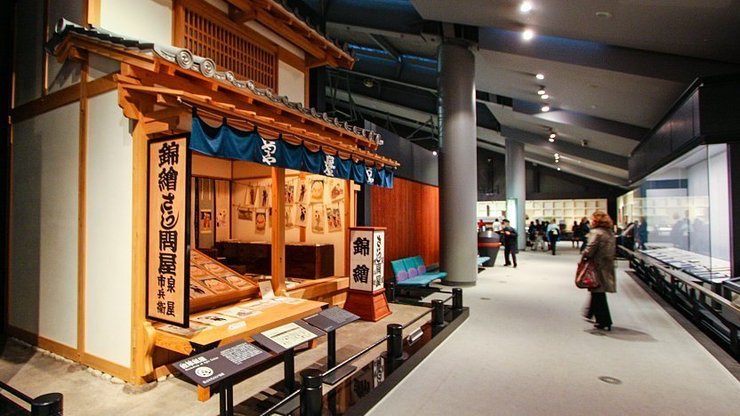
Edo Period Daily Life: Explore how people lived, worked, and played during this time, with displays
on clothing, food, housing, and occupations.
Great Kanto Earthquake: Learn about the devastating earthquake of 1923, its impact on the city, and
the subsequent reconstruction efforts.
Post-WWII Tokyo: Discover the city's remarkable recovery and rise as a global center in the wake of
World War II.
Architectural Features:
Architectural Features:
• Modern building with a design inspired by traditional Japanese warehouses (kura) using red
brick and exposed beams.
• The interior is designed to facilitate a chronological journey through Tokyo's history.
Educational Programs:
• The museum offers various educational programs for all ages, including lectures, workshops, and
guided tours. (Schedule may be affected by closure)
Future Developments:
• Renovation is expected to modernize exhibits, improve accessibility, and potentially
introduce new content related to Tokyo's recent history.
Additional Notes:
• While currently closed, the Edo-Tokyo Museum remains a crucial institution for understanding
Tokyo's rich past.
• Once reopened, it promises to be an even more immersive and engaging experience for visitors
interested in urban history and Japanese culture.